TCHNO


Author Posts
Interviews

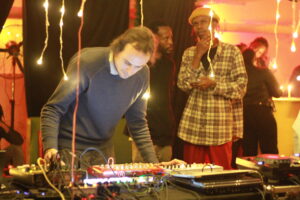
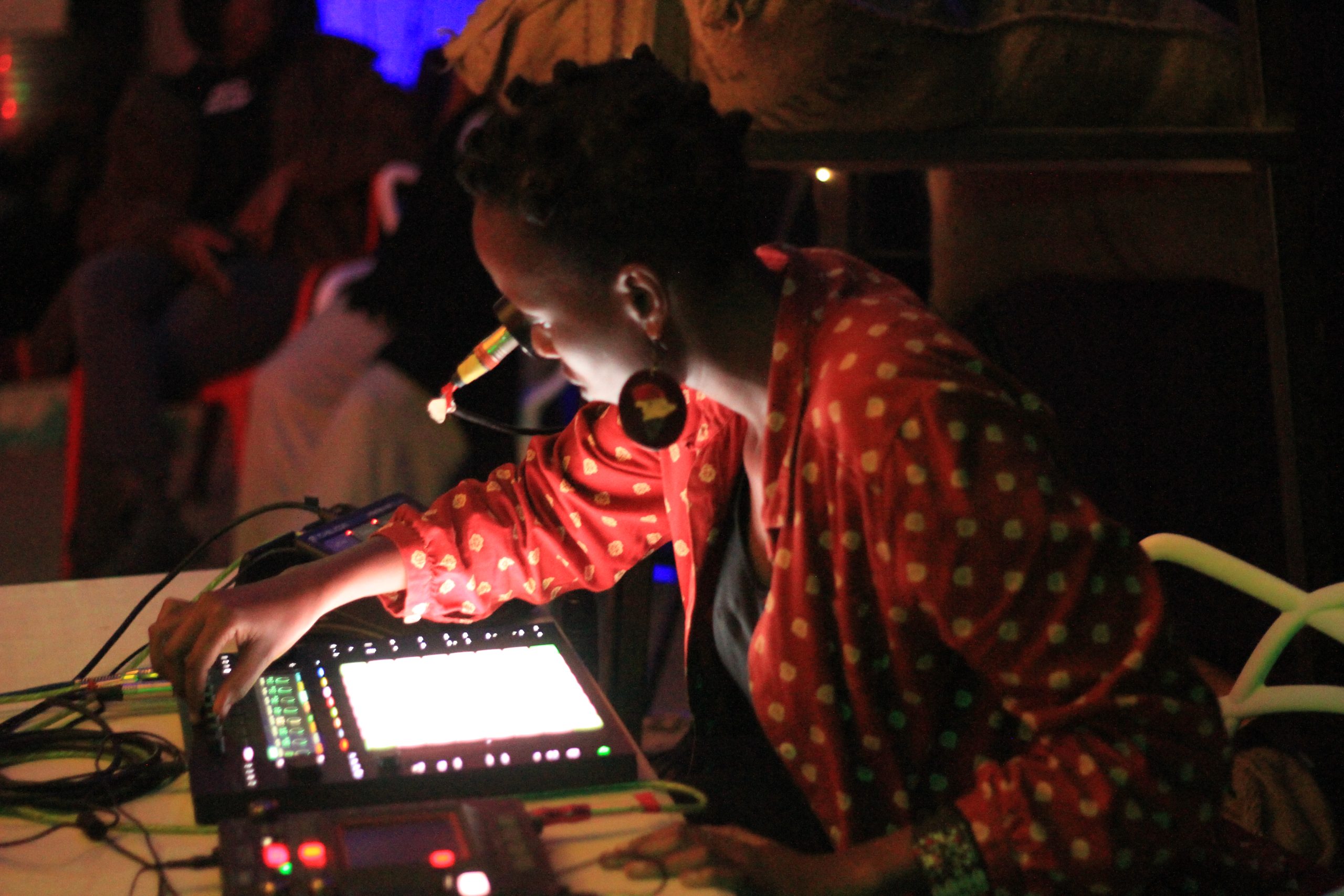
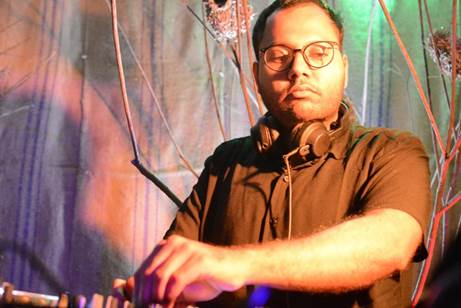
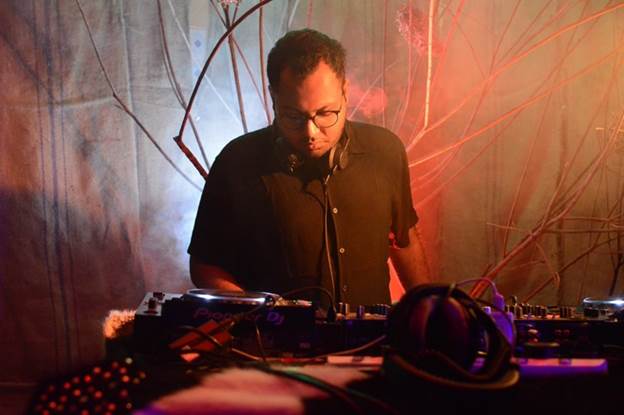
Inside the Modular Mind of Jaba Jesus

May 6, 2025

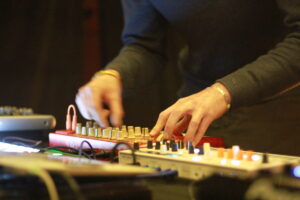
In this insightful interview, the Jaba Jesus delves into their evolving creative process, revealing how modular synthesis, rhythm, and emotion shape their sound. Drawing from a background in alternative rock and a passion for polyrhythmic complexity, they discuss how movement and improvisation are at the heart of their music-making. 

To kick things off, could you walk us through your creative process when working on a new track, especially when using modular synthesis?

Sure. These days, I try not to overthink it, which has been a shift for me. I used to feel like I couldn’t quite conceptualize how to make a piece of music—it felt abstract. But now, I approach it more like a math problem. There’s a need for elements of repetition, obviously. But within that repetition, I want movement, you know?

It’s almost like creating two equations that function together. The first essential element for me is movement. It’s a subliminal feeling, really—one of the most natural reactions to sound. It gives a sense of displacement or just a shift, and it’s powerful.

The issue with using a digital audio workstation (DAW) is that you’re confined to this four-by-four grid. But music wasn’t made to be confined like that. If you and I were to just sit down and say, “Let’s make music in a grid,” it wouldn’t feel right, you know? There’s something limiting about that rigidity.

So for me, I start with movement. Then, I layer in emotion, often through the bassline. I typically build around those two elements. Sometimes I’ll use a synth or a lead, but I prefer starting with the bass—it gives me that emotional depth I’m looking for.

Interesting. So, do you always start with rhythm, then?

Yeah, most of the time I start with rhythm. Bass and percussion form the rhythm section, so I focus there first. For example, I might want to create a polyrhythmic pattern, but it’s actually quite difficult to pull off on just one drum machine. To achieve true polyrhythm, you really need two machines, like running a triplet within a 16/4 pattern. It’s a lot easier to experiment with that kind of complexity on a drum machine or in Ableton.

I think of it as creating a rhythm in motion. Imagine if there were three of us sitting around with drums, playing a syncopated rhythm. For it to sound rhythmic, we’d need to create something called a circular rhythm, making space for every element so they don’t clash. There’s this whole algorithmic side to it too. They even did a research paper showing how an algorithm could generate traditional music by spacing out elements and balancing repetition. Once you get a base pattern, you can overlay another pattern on top of it.

So your melody or whatever is repeating, let’s say every 12 beats. But in techno, you need that little bit of variation. Even if the beat is hard, it has to have that slight volumetric shift, where one pattern might be on a 16th, and another on a 12th, or even a three. It’s that primal sense of rhythm.

Fascinating. And how do you balance your DJ sets with your modular sets?

Honestly, there’s no real balance between the two—they’re completely different approaches. With DJing, you’re looking for loops; you’re curating and blending pre-made tracks to create a vibe. But with modular, you’re creating the music on the spot. You’re essentially composing as you go, paying attention to every detail and reacting to the sounds in real-time.

How do you compare improvisation in your live performances?

Improvisation is where new music is made. I mean, where does improvisation come from? I don’t believe things are improvised, per se; it’s more like you’re realizing probabilities and building on what’s already there, trying different options. It’s weird. 

For me, it’s about playing something live, like a pattern, and exploring within it. I think of it as exploring emotions or syntax. The notes might be simple, but they have to be in the right place to feel right.

What are your early influences in music? Was it the first piano lessons, or something else?

I started playing guitar at 16, covering bands like Nirvana. It was the late 90s, all about alternative and grunge music. That phase helped me understand music as an emotional syntax. It wasn’t about technique but conveying emotion. Music is a language, and each note and harmony tells a story.

When did you decide to pursue music as a career?

Since I started, I never thought I’d do anything else. I always had the desire to be a musician.

Do you remember your first big gig?

Yeah, it was New Year’s for the millennium. It felt surreal to be paid for performing, almost like a dream.

Which of your tracks has had the biggest impact in terms of audience response?

It’s interesting because I didn’t have any feedback until I put something out. Seeing people react through playlists and analytics is unexpected and great. I was on a Tidal playlist called “African Space Program” with two tracks, Coco Sunshine and another Afrobeat track I did with my friend Sammy Son in Berlin. The response was surprising because I didn’t plan on going in that direction.

How did your collaboration with Edu Madoxx come about?

I just emailed him in 2020 during COVID. He replied a year later, and then we worked through the label. I was in Berlin while he recorded vocals, which I arranged into the song. It was a collaboration across distance, but it worked out.

Are there any other collaborations you’d like to pursue?

There are so many I’d love to do, but the best collaborations happen in the studio, just diving in and creating on the spot.

How do you stay inspired in the electronic music scene?

Meeting other producers and musicians, seeing different techniques and perspectives—that’s what keeps me inspired.

Any local Kenyan music scenes or communities you resonate with?

Yes, Kenyan rhythms and patterns are amazing. Kenya has all these unique rhythms that are almost like techno. The complexity and tempo give it a lot of room for creativity, and it’s something I like to explore in my work.

What advice would you give to emerging artists?

Don’t hold back—release your music and collaborate. Make a habit of producing with a goal, like an album or an EP, and set time limits to finish projects. Don’t judge the work too early; focus on the feeling it gives you. And get feedback, even from random listeners—they’ll give you a fresh perspective. 

Interview by Caleb Kiteme

News

TCHNOversary: Celebrating 4 years of Kenyan techno at KODA Nairobi

May 6, 2025

You walk into KODA Nairobi that Saturday night, and techno music immediately hits you. The open Room 1 is sparse but the people are seriously grooving to the music. Your friend leads you to Room 2. When you open the door, the bass overpowers you and the whole room is alive and electric. This is TCHNOversary, celebrating four incredible years of TCHNO.

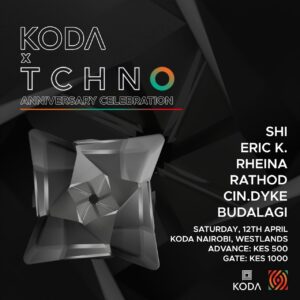
On Saturday 12th April 2025, we celebrated TCHNO’s Anniversary party in a special way. Our first event at KODA Nairobi, this legendary Kenyan nightclub loved by electronic music fans for its powerful Funktion One speakers and huge dance floors. And hosts Afrohouse and techno music events in Nairobi every weekend.

Since 2021, TCHNO has been hosting techno music events – we like to call them community gatherings – in Nairobi and Diani. The purpose is to bring techno music fans together and grow this underlooked and underground electronic music scene.

Our first season, which we call the Shrine era at Bambupelo Art Shrine, was unique. Chill Sunday afternoons featuring live acoustic music, natural brews, techno DJs sets, and live jam sessions supported by Santuri East Africa, who focus on electronic music innovation.

This season was short but sweet, from August to November 2021. Then we took a break in 2022 and 2023 from physical gatherings to host techno music production workshops and Blast Radio shows for the community.

In 2024, TCHNO found a new home at The MIST, Nairobi’s underground haven. This meant we could host TCHNO Takeovers every fourth Friday of the month, providing a consistent platform for artists to explore techno. But these aren’t just regular techno events in Nairobi. We also host panel discussions to delve into different aspects of techno music culture. Followed by live techno sets from Kenyan producers and diverse DJ sets all through the night.

Budalagi

One major milestone was when we released Kenya’s first techno EP: RE[FORM] inspired by the historic maandamano or the youth-led Kenyan in June 2024. We also hosted international techno artists Gebrüder Teichmann, Isabelle Beaucamp, and M4ryland from Europe. And organized joint parties at Shelter KE with techno music collectives Underground Kampala and Femme Frequencies, bringing the East African electronic music scene even closer.

So we had every reason to celebrate at KODA Nairobi!

Cin.dyke

What made this night different from our usual TCHNO Takeovers was we curated Tech house to accompany Techno. Why? Tech house is a hybrid of techno and house music which emerged in the UK in the 1990’s. And tech house is the closest house genre to techno due to its rapid rhythms and deep basslines. We once held a panel discussion about how some consider tech house as a subgenre of techno. But at TCHNO, we see tech house as techno’s friend. And friends play together!

SHI and Eric K.

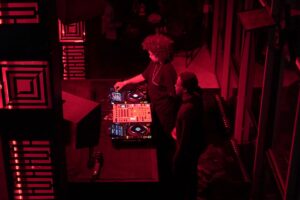
From 10 PM, Room 1 was buzzing with those groovy tech house sounds. First up was Eric K, who’s well-known name in the electronic music scene. Then, at midnight, rising Kenyan DJ SHI took over. The co-founder of female Kenyan DJ party Sirens got everyone moving with her energetic tech house tunes. And at 2 AM, Cin.dyke, a tech house lover, brought the house down. She was later joined by TCHNO’s Ertiman and together they played a fun B2B set. 

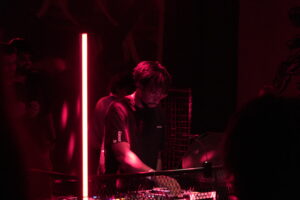
Right when the clock hit midnight, Room 2 exploded with heart-thumping techno thanks to [RHEINA]. That’s the alter ego of [MONRHEA], experimental Kenyan DJ, producer and founder of TCHNO. She had the most fun on stage, dancing and connecting with the crowd who felt her buzzing energy.

[RHEINA]

Next up was Kenyan DJ producer Budalagi who kept the energy going with driving, deep and hypnotic pure techno rhythms.

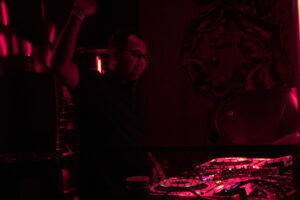
And finally on stage was Mombasa-based techno legend Rathod who was part of Temple Nairobi way back in 2017. He first played at TCHNO in 2021 during Season 1, so having him at TCHNOversary felt like a full circle moment. As the dark room glowed with red fluorescent lights, it felt like the Red Riot Room was back!

RATHOD

This TCHNOversary marked the end of Season 2. What’s Season 3? We’re going beyond the dancefloor to launch TCHNO Magazine, our digital home for all things techno. Expect artist interviews, event reviews and industry insights into the Kenyan techno music scene, from wherever in the world you are. 

4 years later, our mission remains the same: to develop the Kenyan techno music scene by creating platforms for inclusivity, education and artistic expression. And feed the underground scene with diverse techno lineups. And we are grateful to all the techno artists, collectives and venues who’ve collaborated with us to elevate this underground electronic music sound. And to our growing community who always shows up to learn, discover, and dance together. 

The TCHNO Community

On that Saturday night at KODA, you look around and see familiar faces from the TCHNO community and new ones as well. Satisfied, you close your eyes and let the music move your body. You feel the healing energy of the bass and beats deep in your bones. And when the music stops, you feel like a brand new person. This is why you love techno. 

Our next TCHNO Takeover is at The Afters, Diani on May 10th. Followed by The Mist Nairobi on May 23rd. Then we’re taking over KODA Nairobi again on June 14th 2025. Save the dates and stay tuned for updates on our Instagram. Or better yet, subscribe to our newsletter. Until then, keep it TCHNO.

Written by Furaha – LaMusicJunkie

News

TCHNO Releases their first Kenyan Techno Inspired EP: [RE]FORM

December 6, 2024

Kenyan techno collective TCHNO, announced the release of [RE]FORM, Kenya’s first-ever techno EP. More than music, it’s a tribute to Kenya’s fallen heroes, a celebration of resilience, and a declaration of liberation. [RE]FORM marks the beginning of Kenya’s techno history, ushering in a bold new era for the scene.

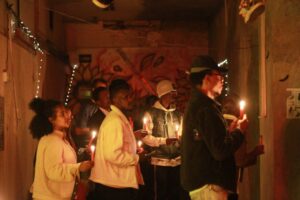
The EP emerged from TCHNO Circle, a special edition of the monthly TCHNO Takeover gatherings held at The Mist, an underground club in Nairobi. Against the historic youth-led maandamano (protests) in June 2024, TCHNO Circle created a communal healing space to honor Kenya’s fallen heroes with a candlelit vigil. The highlight was a collaborative music circle, where community members contributed their sounds of freedom. The result is five original techno tracks featuring four primary Kenyan producers and one vocalist – forming Kenya’s debut techno EP. 

Candlelit Vigil for the fallen heroes during the protests

Track Highlights

  1. Nairobi Circle featuring Mawe: A moving tribute to Kenya’s fallen heroes, blending haunting melodies with immersive beats to honor their sacrifice. 
  2. Coastal Circle featuring HEKA: A collaborative masterpiece uniting coastal-based artists HEKA, Kenia, Wangtekch and [MONRHEA] to create a track rich in cultural fusion and spirit.  
  3. Saba Saba featuring [MONRHEA]: A revolutionary track sampling the sounds of Nairobi’s Saba Saba Day celebrations, showcasing the unyielding resilience of Kenyan citizens. 
  4. Resistance featuring Jaba Jesus: Reimagined analog recordings from the TCHNO Circle sessions, offering a bold, fresh perspective on live techno production. 
  5. Freedom Affirmation featuring Furaha: A powerful affirmation of freedom featuring Furaha’s ethereal vocals layered over airy, liberating rhythms.  

The EP was mastered by Black Techno Matters, a global advocate for Black techno music. This collaboration was divine, as their mission celebrates liberation and empowerment, while reclaiming techno as a powerful expression that honors its Black roots.

Artist: TCHNOCRATS

Label: TCHNO

EP: [RE]Form  

Release Date: 6th December 2024  

INDEPENDENT RELEASE (BANDCAMP)

Stream and Buy [RE]Form on Bandcamp

Interviews

Badman Bantou paints a picture of the trails of techno music’s history and its current culture

August 9, 2022

Where did techno come from? Is it a white music genre birthed in Berlin? Or are there hidden black roots to this underground music scene? 

One of our favourite DJs had a lot of music history to share with us during this insightful interview. Justin opened up about his journey from a Vinyl DJ to an electronic music DJ, how Detroit influenced American and European techno, and how Santuri Electronic Music Academy is bridging the gap between the two. 

Get ready to learn a thing or two from Badman Bantou.
Hello, how are you today?

Doing pretty good, excited for this conversation.Just took a stroll around gather town.That was fun.

Nice. Do you mind introducing yourself?

Yeah, my name is Huilly Huile. I’m a DJ, radio show host. I work on various different projects, mostly music related and culture related. Based somewhere between Montreal and Nairobi.

So I’ve been working with the techno community here in Nairobi. And also people know me from Santuri projects, Santuri Electronic Music Academy. And yeah, I’m just interested in helping develop musical projects that, you know, make fun things happen, change the dynamics of things that are happening, allow good music to come out and reach people. And I facilitate people getting connected with great music events or great music opportunities. I like to work with audiences as much as I like to work with artists. 

So yeah, that’s kind of it in a nutshell. I’m a fan of electronic music. I’m a club DJ, so that’s kind of where my passion for electronic music comes from.

Cool. You mentioned one of the spaces you have developed yourself is Canada. Do you mind sharing about your journey there and especially in relation to techno?

So I started out DJing something like six or seven years ago. I was playing vinyl records as a vinyl DJ. Probably one of the last ones to get paid club gigs to play vinyl. There’s still a few, but it’s harder and harder to do in clubs. 

I used to play a lot of different music, mostly black music: soul, funk, R&B, hip-hop and jazz.  And then at some point I started getting booked for more gigs, but promoters didn’t really want to pay for me to bring my whole record crate, set up my turntables. But they really wanted my selection and they were keen on having me play. 

So I tried out using controllers, laptops, and a lot of the music that was available online just kind of became more accessible to me. And I started playing a lot more electronic stuff, edits, remixes. Then I started getting booked for more electronic gigs, a lot of Afro house, Afro beat, kuduro, Afro diasporic music, and dancehall.

And at the same time, I had other friends I knew from the vinyl scene, playing records and collecting records, who were starting to throw their own techno events. I had been going to those events for a while, but now that my friends were organising them, I just got interested in the type of community they were trying to build around techno music. 

Shout out to Hell In Paradise from Montreal. They were doing a lot of techno, mixing it with 80s industrial music, playing with the fine line between the industrial music of the eighties, techno, and house. Really cool after hours parties that they used to throw. 

They really inspired me to get into techno and I’ve always been a fan of the Detroit scene. Both the house music and then the techno that came out of Detroit. So I would say that’s what immediately made me interested in getting involved with techno. I see a lot of parallels between the things that I liked about the scene back in Montreal and the scene here in Nairobi.

Coming to know you for some time, I feel like you have so much knowledge in regards to techno music and the culture. Do you mind giving us your perspective of how the sound developed? Its origins, the influences, the American and the European scene, just like a grand scope of it.

Sure. I can try. You know, as much as I might seem knowledgeable to people in Nairobi, I’m not an expert or anything, I’m just enthusiastic about it. So I can give my perspective on it, but it’s by no means the opinion of somebody that is an expert or an authority on the subject. I’m just a fan.

So Detroit is a really interesting city to understand techno music through, especially American techno and black techno. Detroit used to have a booming industry of Motown, and a lot of the hit records of soul music were produced there. The industry was really massive, especially during the time where there were a lot of car companies operating in Detroit. And so a lot of people had jobs. The city was developing. They built a lot of infrastructure for the city and people had a lot of work, right? 

But progressively the jobs got shipped elsewhere. The car companies and the infrastructure companies started to move to other parts of the country, and sometimes even other countries abroad. And so that meant that the black population of Detroit who didn’t have the opportunity of moving out or leaving were stuck there with a shell of a city, an empty shell. But the spirit of Motown and the spirit of soul music that was there stayed. 

They were left with a city that was decaying, very connected to machinery and technology. And that coincided with a lot of electronic instruments that were accessible and affordable, hitting the market. Some of them were deemed as failures, like the 808, other drum machines, and synths that never really became respected in the music industry. They dropped in price and black people picked them up. They couldn’t afford elaborate studios with musicians and paying a whole band to do stuff. So they looked to these machines that allowed them to do a lot more with a smaller amount of space with a smaller setup and a smaller budget . 

And even though they were using machines, the key thing about Detroit techno and black techno in general is that there’s a soul to it, and there’s a groove to it. It’s made with machines, but it’s not purely mechanical.

If you listen closely, you can hear that spirit, that soul, and the history of a community in that music. So I went over really quickly in broad strokes, but I think that’s how I would best describe it to somebody who maybe doesn’t know the history of black techno. 

And I would just add that they were really influenced by the electronic sounds of European pioneers like Kraftwerk. And that was not just in the techno scene. The kraftwerk electro scene was also really influenced by people who were experimenting with electronic music, Afrika Bambaataa was sampling Kraftwerk and a lot of different electronic artists. And yeah, black people, black artists have always been on the forefront of repurposing, reinventing other forms of music. And hip hop has been doing that with the culture of sampling records and remixing.

So it’s a broader part of the black music tradition, but the way that it manifests in techno is one of the most important musical developments of the 20th century, if you ask me.

You know, I used to wonder why I would vibe so much with techno music, cause there’s this connotation that it’s white and all that. And once I discovered that black people are the ones who were at the forefront of pioneering this, it made sense.

Yeah, I mean, I find that that strain of techno that is from the US, from you know African Americans, is the one that moves me the most. It’s the one that makes me want to dance the most. So it’s like an aesthetic preference. But I think rather than say black people invented techno and it’s ours and we own it, I like to keep in mind that there’s just a long history of black and white musicians influencing each other and changing each other’s sounds intentionally and unintentionally, just by listening to each other’s stuff.

So a lot of European DJs were really influenced by the style of Detroit musicians. And it changed the way that they made music. 

But the opposite also happened, right? Like I said, Kraftwerk is one of the biggest examples. They were making music with synths and drum machines in their own style. And it was very proper and German and they used to wear suits for their performances.

It tells you about the kind of thing that it was. It wasn’t rave music, that didn’t really exist as a concept at the time. But the fact that it was futuristic really spoke to black people and that’s what African Americans, when they were making techno, decided to get inspired from. It wasn’t being proper and wearing suits and performing that way, it was the futuristic aspect that they took and ran with in their own way.

They could have done other things. They could have tried to replicate funk music or soul music with electronics, and it would’ve sounded very different. But that is not what they tried to do .What they tried to do was to make a new style of music and tell new kinds of stories through the machines.

Through the SEMA course, you facilitated a film showcase that was talking about techno music, and we got insight into the Detroit techno scene. This is one of the ways you are spreading information about the underground scene and music in general. And being part of Santuri you’ve done so much of this.

Would you like to share ways you are facilitating the spread of music and culture and education to the scene?

Yeah, definitely. Thanks for asking and thanks for recognizing what we’re doing. I think both TCHNO and Santuri are on different ways of making a lot more art happen and evolve and develop. Both are involved in trying to support the development of artists.

So in the SEMA Film Club, which is something that we’ve organised for Santuri Electronic Music Academy, we try to give a bit of context so that people can not only get exposure, experience and inspiration from the people that are on the radio or have a lot of views on YouTube, but get the actual history. Because if you dig and if you’re interested in digging, you will find that there is a bit of information.

So we just tried to give a bit of background, extra information, historical context so that people can retrace music history, retrace technical styles, and know where the music lineage that they’re interested in comes from. And then they can be better informed to take it in the direction that they want.

Like I mentioned, when we hosted a screening for two short documentaries on black techno music for the Santuri Electronic Music Academy, we noted that most of the techno scene in Nairobi is influenced and inspired by a lot of European techno. And it’s mostly a lot of white techno.That doesn’t make it bad, but there’s a whole part of the spectrum that is missing in my opinion.

So we try to use SEMA Film Club as a way to share knowledge and get people inspired. And one of the movies that we screened was Black To Techno, which is a short documentary about Detroit. It’s very cinematic. It’s very aesthetically interesting. It’s directed by Jenn Nkiru who’s done music videos for Beyonce and Kamasi Washington.

Basically it was a bit of a poetic look at the history of Detroit techno and where it came from.

And the other movie that we screened was Techno City, which was focusing a little bit closer on the Detroit techno scene, but from the point of view of its pioneers.  It’s a lot of interviews with some of the seminal figures of techno like Derrick May and Carl Craig. It was a very DIY film made in 2001.And it looks like it was made with a handheld camera. 

Black To Techno was made in 2019, and it’s a high-budget production sponsored by Gucci and Frieze, big companies. So we gave two different perspectives on it, had a great conversation afterwards, and our students had so much to say and so many opinions. And it stirred up a lot of debate on what techno is, what it could be, what it means to us. 

The more that we talk about these things, the more interesting our scene can get, because people can kind of understand the intention behind people’s artistry or people’s events. And people can join each other’s efforts based on knowing what the intention of the person is. Cause if you just say that you’re doing a techno event, like you see a lot of people doing in this city, I’m doing a techno event, I’m doing techno, then you go and hear tech house or whatever it is, EDM. 

Everybody likes the idea of techno, but it’s important to know what it means to people and what they’re trying to do.

And then that way we have more synergy. 

So what is your perspective of TCHNO concept and why are you involved so far?

I’m involved with TCHNO because I think it’s a sincere effort at making a community driven event. It’s very egalitarian. There’s no bullshit. It’s not about hype or fame. 

I think the people who are involved are very committed. I’ve seen people put in a lot of hours to make something work and bring a vision to life. And the music is always exciting and refreshing, and it always expands my mind to go to a techno event and hear the music that’s played there.

It never sounds the same. And I don’t think you can say that about a lot of music projects and music events in the city. So that’s why I’m involved.

Would you like to share about Santuri East Africa and the jam session some of the music students in the academy participated in?

So we have an electronic music academy and we try to make different artists that are part of a cohort develop their artistic skills, develop their careers, their capacity as producers, recording engineers, and performers. And TCHNO was generous enough to share their space with us at Bambupelo Art Shrine on the third event with a really nice lineup of DJS. 

Before the DJ set started, we brought a set of Maschine, Ableton Push, a few other pieces of hardware and some keyboards to let people do a live techno jam. And it was cool because though a lot of our students had been playing inside the box and doing production with various DAWs, they had never had access to hardware. 

When you’re using your hands, when you’re standing, and when you’re playing with other people at the same time, there’s a bit more element of improvisation. And the rhythms that come out in the sounds that come out are different.

So it was a really great experience for us as Santuri. But for the students most of all, they said that they really enjoyed it. And we’re looking forward to doing it again, hopefully at the next TCHNO. I think the next live TCHNO jam is gonna be even better. And even more interesting.
And what do you think the current techno music scene in Kenya is from your perspective? 

I don’t know if I’m qualified to talk about the whole scene because I feel like there’s a lot of people who just play in their bedrooms and release mixes online that we might not even know about.

But otherwise I feel like it’s a very niche thing, you know? The techno scene, like in a lot of places, is really catered towards middle class and upper class people. There’s very niche events.I feel like a lot of upper class, white and Indian people are running the techno scene and they’re really making it into kind of exclusive events.

Which is sometimes, very obviously, counter to the ethos of techno to begin with. It’s not meant to be a luxury culture, it’s meant to be a counterculture, a culture of resistance and defiance and emancipation. And it’s supposed to be something that is accessible to people. Not something that should be gate kept, you know. 

So I think there’s really amazing projects going on. TCHNO is one of them. I’m sure there might be others we don’t know about and that we should connect with. But if things keep going the way they’re going now, it’s gonna develop in a really interesting way in Kenya.

That’s quite interesting. Because with TCHNO, we are trying to explore different ways we can take this sound further. And what are some of the ways you think we could take to progress this sound to stand the test of time and continue on and on and on?

What can we do to ensure the longevity of the scene? Use TCHNO, your event series as a guiding example. Make sure you put the needs of the music community at the forefront. Make sure it stays about the music and not about popularity or money or drugs. All of those things can be a part of the scene, but they should not be guiding it. 

As long as we stay focused on that, then people who are doing techno music will be supported. They’ll keep creating, they’ll keep being inspired to make more music. That’s what I think needs to be done.

And I’m happy that there’s a community that is actively doing it in Nairobi. And I’m happy to be a part of it.

Yeah, we’re really really happy you’re here. I feel that you really are an influence on the direction this scene is going. And especially your involvement with TCHNO, so much gratitude for your involvement.

Thank you. That means a lot.

Honestly I do appreciate you and your efforts. And even when you share your musical knowledge with your sets, I’m glad you’re part of this guiding space as you called it.

Thank you for letting you be a part of it, you know? I’m really happy to see what TCHNO is becoming. It’s expanding conceptually at a really fast rate. Sometimes it’s even hard to keep up with the level at which ideas are being developed. And sometimes the ideas are so ahead of their time that you can’t really see where it’s going and it takes a bit of time for people to come around. And to realise how important a project like TCHNO is.

Interview by Monrhea

Interviews

Makossiri: “I love following and trusting my intuition when it comes to producing music”

June 6, 2022

We’ve talked to a couple of Kenyan techno DJs, but what about techno music producers? Do they exist?

Born in Nairobi, spent time in Kampala, and now based in Berlin… Makossiri is a one-of-a-kind East African electronic music DJ and producer. Starting out as a live acoustic musician, she found her true sound in dark hardcore techno. She calls it Afro-future-tech. 

The daring multidisciplinary artist dropped her debut EP Juicy Juicy in October 2021 under  Ugandan label Hakuna Kulala. 2023 has already been an eventful year for her. After performing at Berlin’s CTM Festival and playing a guest mix for PAM Club, she released her next experimental EP under Ginene Records.

TCHNOCRATS, meet Makossiri.

Tell us about yourself.

I am Makossiri and I’m an Artist. I express myself artistically in different ways such as performance, deejaying, music production, and fashion. Lately, I‘ve also been experimenting with installation art as a medium for performance. 

How did you get into the underground music scene?

My journey into the underground music scene started around 2016 when I was hanging out at The Alchemist, which was a new venue in Nairobi at that time hosting underground electronic music events. Lots of artists and key players in the East African electronic music scene would hang out there too. I later moved to Kampala and got more involved in the underground music scene there through organizing music and fashion events, deejaying and producing music.

And how did you get into music production?

I studied Music Production in school for a year in 2016 but I really hadn‘t found my sound yet so I kind of shoved it in the backburner. It was until when the pandemic happened in 2020 that I got back to it more seriously. At that time I had already gotten into electronic music through deejaying and discovered what I really liked musically. This renewed my interest in music production and it has become part of me since then.

Do you have a specific production process?

I love following and trusting my intuition when it comes to producing music. And just vibe with the feeling or mood.  I‘m in at that particular moment.

Who do you look up to in terms of production and why?

There are so many producers that I look up to, but my favorites are Slikback (Kenya), Nkisi (Congo-Belgium) and Scotch Rolex (Japan). I love their experimental approach to club music.

You produce afrofuture tech which is a sub- genre of techno, what is techno music to you and what lures you to the sound?

To me, Techno is the sound of freedom. The sound that gets me to let go. Forget who else is in the room, just immerse myself in the music and have a good time.

Are there elements in techno music that inspire your productions?
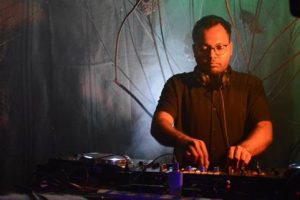
Yes. I really like the 909 drum sounds  and I experiment a lot with them in my productions.

Having lived in different parts of the world, how would you compare the techno scene in Nairobi vs Kampala vs Europe?

I wouldn‘t like to compare as every scene has something different to offer in terms of Techno music. Though it will be great to see more African representation in the hardcore techno genre in all of these scenes.

What efforts can we make so that the future generations can still benefit from this sound and community?

By creating more safe spaces (and mostly in Africa) where people can come, discover as well as enjoy the music in a community setting. And more producers creating different pathways musically for techno music to evolve and create a larger impact to the next generation. Thus benefit the community beyond these times we are living in.

Connect with Makossiri online

Interview by Monrhea

Interviews

RATHOD: “When you see what all of us see, you see why it is there, why it exists, and why it exists with such a strong presence”

April 8, 2022

If you know techno music in Kenya, then you know Rathod. He’s the resident DJ of Temple Nairobi which is undoubtedly the biggest techno rave in the city under the sun.He does not classify himself as a purist techno DJ as he also plays house music. But his number one love is techno.

After his debut performance at TCHNO event in October 2021,   we got a unique chance to sit down with him. The legendary Mombasa-born DJ shared with us what he thinks makes a good DJ and what makes techno music special.

Tell us about your journey… where did all this begin?

Rathod: The journey to electronic music began when I was young in Mombasa and I used to go for these 6 AM parties. I remember there was Kyau & Albert, a German trance duo. And yeah I was just amazed by this new electronic music sound, how it felt.

So I started pursuing it more and digging more in the trance music and progressive house as every 13-year-old Mombasa boy does. And that’s how my journey towards techno began actually. At a tender age I heard all these kenyan DJs pioneering the electronic music sound, some who I’ve played alongside today like Foozak, Frankie B. These are people I used to see at 6AM parties and I’m like woah, this is amazing!

Really?

Yeah. And now I’m here. Also it’s good to just be able to play good techno music in Kenya. So for me, it was in the UK while I was in university when my love for techno formed and it’s never going to fade away, I don’t think so. I think techno music is just the simplest ,purest form of electronic music that evokes all emotions with very little. And that’s the beauty of it.  I’ve been to all the clubs in the world and it’s crazy, I’ve seen some of the best techno DJs out there. In an intimate setting, in a festival setting. And I still want more.

I started playing in Uni and it progressed from there. I was not the best at that time, not gonna lie. But you know when I first started, a lot of people especially someone I looked up to a lot in uni, Pasquale the owner of DBE (Dub Boro Events) was like: Being a good DJ does not just come easy. Like it’s very easy to play one song after another, beat matching. But knowing the right track to play after another is what makes you a good DJ.

So that’s where I learnt song selection and how you can use that to tell a story and control a crowd. So I learnt the technical aspect of DJing in uni, a lot of bedroom deejaying with friends and whatnot, a few gigs. And I remember before I left for uni, telling my friends because they knew my love for music, I don’t know what I’d do without it. Now going back to Kenya would mean working in the family business. How do you balance your work life and still keep my passion for music alive.

How did you get involved with Temple?

I saw a video of Temple, it was Raj el Rey playing on YouTube. Grainy little video, he’s playing music not purely techno music but still it’s electronic music, and they are pushing in the right direction. So I told my friends: This place, I want to play. I’m gonna be a resident DJ for these guys. And it was months of messaging and pursuing Sam, you know the typical struggling DJ things where you’re sending your mix. 

And finally I got the opportunity. I remember 8 minutes into my set. basically my intro, I just hear Sam come behind and he’s like let’s talk on Monday about how we can make things more solid. 

So I remember that set until today because it was obviously a special moment. This is my new home, you’re building that relationship with the people on the dancefloor. They need to know now – you’re here, you’ve come to play, you’ve come to dance. And so now that’s me educating techno music to Nairobi through my mixer.  

If you were at Temple, you experienced how my journey for techno was in line with Temple. Because as a career in techno music, Temple has been my starting point. That’s where it began, that’s where I’ve grown. I would never be able to drop a heavy acid industrial techno track five years ago because they weren’t there yet. But it took me teaching them with groovier cuts all the way up to seeing the beauty of how techno music has this way of building pressure in a set. You can play three tracks which just build pressure and in the fourth track will be the release. I think as a DJ you understand what I’m saying. And I think they finally understand that.

That’s the beauty of techno music. You can play two tracks simultaneously and if they compliment each other they just become a whole other track which is so beautiful to hear. So that’s my techno journey.

That’s a beautiful one I can say.

You’ve been to different places and different parts of the world and experienced this sound. So how would you describe your kind of techno, what do you play?

It’s very hard to generalize everything I play to one. But I’ll tell you something, it’s definitely groovy, and I do like the contemporary stuff. Because when you combine the two that’s a good techno track. Like that’s something you play and it makes people smile. Including myself.

So yeah, I would say contemporary groovy. And I do like a bit of the new ravey stuff cause it reminds me of my good old trance days. But I think techno music is just evolving as we go but some tracks haven’t lost the essence of what techno music is. I mean nowadays I do think there’s some commercialization aspect to it, but a good DJ knows how to hear a sound and knows its meaning. So that’s that.

Nice. So far we trace roots to techno from the American side and also the European side. Where would you say you’re mostly influenced from, with the culture traditions from these places?

So with that, I actually know the two sounds that people talk about. But I really think at the end of the day however they sound, the message they convey is the same. And I just like the best of them all. I’m not biased, I like both of them. I like both the way they sound and what they do. So as long as it’s something that appeals to me I will play it constantly. And if it’s something even that is boring but played right with some other song, that’s the beauty of digging music. So it comes from anywhere for me. 

And coming back home, what would you say is the current state of our scene?

Obviously we have the Afro house groove right now, globally. It’s an amazing sound. I’m not gonna lie, I do dance to it. But for me it’s obviously techno. But I think the perfect combo would be an Afro house sundowner followed by a techno rave. It’s a good way to spend a day I guess.

But I think the techno scene in Nairobi is pushing in a way because there are so many new artists that are coming up, and so many artists who have remained consistent and have improved greatly, like Dylan S. Dylan S an amazing crowd controller. I’ve seen him produce songs like 4, 5 years ago and what he’s making nowadays, it’s amazing the progress he has made from sheer dedication and consistency in honing his technique. The finesse of every production is enveloping the boundary slightly further. Even when I do sit with him in the studio, his technical knowledge is superb. I wish to have that much one day. 

So that’s the current state of where we are. Let’s talk about the future.

I’m gonna talk about the techno scene. Now is the time for us to push the boundaries. And not in the sense of darker techno music but I mean making it a norm and to broaden our dancefloor metaphorically.

I’m seeing now the numbers are growing and we should be able to do some bigger events with bigger names, bigger budgets. And now when I see that hope I’m actually so happy because I have so many techno DJs that I want to introduce Nairobi to. Not just Nairobi but Kenya as a whole. Like so many people I look up to and I would like them to just come and play and be in awe.

I know myself as a techno raver. Some of the best memories I’ve had with some of these big DJs, when I look back I still have those memories. Now imagine being able to create those memories for people here. Because I know people like to come and people love to listen to techno music and have an amazing time. So yeah. I want to do that. That could be the future for me.

You’ve told me before an interesting background of how techno started. Do you wanna share that?

Yes, in Detroit they say it was the “belleville three” who created electronic music from their basement and the italo disco influences and gospel vocals from church intertwined led to a whole new type of sound which had raw soul. And when you hear some of Robert Hood’s “Floorplan”,  it is a good way to describe this. Because if you listen to his songs it’s like church choir vocals with a 4/4 beat and it sounds amazing. I like to drop his songs in, not all my sets but when I’m feeling good yeah. His songs do pop. They’re so fun, they’re groovy, they’re fun to listen to, fun to sing along to. And they slap. 

Who are your 3 favourite techno DJs?

Uh, this is a very hard question because it changes. Right now I’m really digging stuff from Stef Mendesidis from Ukraine. I’m really loving his new songs, his productions, he’s like my hidden gem mahn. So glad I found him. And obviously Ben Klock’s EP, it’s one of the best EPs I’ve heard. Groovy, nice. 

Who else? There’s a lot of young guys who are doing well, akina FJAAK, Fadi Mohem, and then there’s Mella Dee, this British guy. I really like his Warehouse Music release. I play it almost all the time. So dope.

There’s a lot of dope female techno DJs. I don’t like sexualizing but someone like Nina Kraviz is a top DJ. Her being good-looking is a bonus but for me, that woman knows how to mix mahn, what! And that’s what I look for. I think at the end of the day I don’t care how you look, as long as you know how to mix you know how to mix.

There’s DJs who know how to mix and are big. One DJ that’s a very talented mix DJ, his mixing is everything. He had a little bit of an episode but Jackmaster,I really rate him, good DJ who knows how to work a crowd. Ben Klock, that guy knows how to pick songs. DVS1 long sets are so nice and when he executes three turntables mixing at once, it’s crazy mahn. DJ Bones with his fast finger movement and his groovy cuts. So much, I can go on all day. But for me some sets stand out. But I think people who tell a story. Ben Klock, Rødhåd, these guys know how to play techno from all variations to tell a story.

Have you ever had a moment playing where you were not in a good space mentally or not in a good mood, and you still have to be here and connect with people? How do you cope with that?

I’ll tell you something. When you play music, the energy you get back from the crowd will literally turn it around. You know there are times I do go to a gig and I’m not 100% because I’m not feeling well or maybe I’m just tired. I’ve had a bad day, it’s as simple as that. 

But I think when you start playing, the energy you get back from the crowd sort of kills all the bad vibes and you just feel happier from within. But yes, it does affect you. If you’re deejaying and you’re in a bad mood, it will reflect in your set because it evokes that emotion in you. So maybe I’ll play a darker set.

But yeah when it comes to that, as a DJ you need to be open to criticism. And you also need to be listening to everyone, like you cannot disregard any set until you’ve heard it. So that’s one thing you need to do, listen to everything. You know some people just disregard someone or some track even before they’ve heard it. Now that notion needs to be removed. 

But I think overall, don’t stop discovering, that’s what I’m trying to say. And people get content at a certain point when they start playing. That’s one thing I’ve seen a lot with DJs. It’s not that they become shit djs, it’s just that they stop growing. And when you stop growing and evolving and trying new things and taking risks, then eventually you get boring. So always keep trying, look for new things.

That’s one thing I always do, I try and look for some interesting tracks. I know that I have so many of those kinds of tracks that I play. These songs have literally nothing to do with techno but they sound made for a techno rave. And I play those songs and I’m like damn, these actually sound nice. And it’s nice to find such songs and drop them in between. 

How would you describe to someone who doesn’t listen to electronic music normally or is new to this concept, what techno and the whole culture is in a simplistic way?

Okay, I’ll tell you it’s an acquired taste. But when you see what all of us see, you see why it is there, why it exists, and why it exists with such a strong presence. Because at the end of the day, I don’t think there’s anything better than a nice techno rave. Like nothing beats that. It’s fun, it clears your mind, it’s a good exercise and it has so many positive effects. And it’s a sonic experience. Yeah.

And to anyone who’s out there, a DJ aspiring to explore more on this side of music, what advice would you give them?

Consistency. Today being a good DJ just doesn’t mean you have to be good on the decks. Inabidi ukuwe (You have to become a) social media manager, graphic designer, and a PR guru, you know. And sadly, it takes long for true talent to be appreciated. 

So I just think number one be consistent, put in the hours. At the end of the day don’t get big headed, because trust me today you can be a hit and it just takes one day for someone else to take over. It’s competitive, so play everything right. And do it well, you’ll be sawa. 

If you’re good they don’t see it today, they will see it tomorrow.

That’s a beautiful one I can say.

So you’ve been to different places and different parts of the world and experienced this sound. So how would you describe your kind of techno, what do you play?

It’s very hard to generalize everything I play to one. But I’ll tell you something, it’s definitely groovy, and I do like the contemporary stuff. Because when you combine the two that’s a good techno track. Like that’s something you play and it makes people smile. Including myself.

So yeah, I would say contemporary groovy. And I do like a bit of the new ravey stuff cause it reminds me of my good old trance days. But I think techno music is just evolving as we go but some tracks haven’t lost the essence of what techno music is. I mean nowadays I do think there’s some commercialization aspect to it, but a good DJ knows how to hear a sound and knows its meaning. So that’s that.

Nice. So far we trace roots to techno from the American side and also the European side. Where would you say you’re mostly influenced from, with the culture traditions from these places?

So with that, I actually know the two sounds that people talk about. But I really think at the end of the day however they sound, the message they convey is the same. And I just like the best of them all. I’m not biased, I like both of them. I like both the way they sound and what they do. So as long as it’s something that appeals to me I will play it constantly. And if it’s something even that is boring but played right with some other song, that’s the beauty of digging music. So it comes from anywhere for me.

And coming back home, what would you say is the current state of our scene?

Obviously we have the Afro house groove right now, globally. It’s an amazing sound. I’m not gonna lie, I do dance to it. But for me it’s obviously techno. But I think the perfect combo would be an Afro house sundowner followed by a techno rave. It’s a good way to spend a day I guess.

But I think the techno scene in Nairobi is pushing in a way because there are so many new artists that are coming up, and so many artists who have remained consistent and have improved greatly, like Dylan. Dylan is a close friend and an amazing crowd controller. I’ve seen him produce songs like 4, 5 years ago and what he’s making nowadays, it’s amazing the progress he has made from sheer dedication and consistency in honing his technique. The finesse of every production is enveloping the boundary slightly further. Even when I do sit with him in the studio, his technical knowledge is superb. I wish to have that much one day.

So that’s the current state of where we are. Let’s talk about the future.

I’m gonna talk about us as Temple and the techno scene. Now is the time for us to push the boundaries. And not in the sense of darker techno music but I mean making it a norm and to broaden our dancefloor metaphorically.

You see, Temple happens once a month and we do have a big enough rooftop at Shelter Ke, and I’m seeing now the numbers are growing and we should be able to do some bigger events with bigger names, bigger budgets. And now when I see that hope I’m actually so happy because I have so many techno DJs that I want to introduce Nairobi to. Not just Nairobi but Kenya as a whole. Like so many people I look up to and I would like them to just come and play and be in awe.

I know myself as a techno raver. Some of the best memories I’ve had with some of these big DJs, when I look back I still have those memories. Now imagine being able to create those memories for people here. Because I know people like to come and people love to listen to techno music and have an amazing time. So yeah. I want to do that.  So that could be the future for me.

And you got involved with our event, TCHNO, recently. Do you think it’s a space that can provide what you’re looking for?

I told you what vision I have for you, for that brand. And yes you should have techno parties but I think what you should concentrate on is starting a podcast series. Like have some of the best techno DJs come down, that little corner over there is nice where we recorded our set (at Bambupelo Art Shrine https://www.instagram.com/bambupelo_art_shrine/ ), it’s very very funky. Just do a nice 1 hour  or more recordings and start building content. Because I think if there’s one thing we lack in the techno scene right now, it’s a reliable podcast series.

If you look at Berlin, so many podcasts series are killing it. Do you know about HÖR Berlin, https://www.highsnobiety.com/p/hor-berlin-streaming/ the bathroom-like studio? It’s a funky concept. I like it. But they also bring in good DJs.

So you just start. Even if it means you’re recording for other people outside of Kenya, find a way to make this work.  Then now once you build that brand name you do a techno party. But right now if you say you wanna do a party, let’s be serious, it’s not easy.

Yeah I definitely agree. And one way I’ve been thinking is merging the idea you just gave and giving a space for an audience if they were to come. So it’s not necessarily pushing a huge party but more of creating a space where we can have conversations before the session. Or even have someone in the industry come and give a talk. I feel those two can merge really really well. Like the long term vision for this.

And I’ve told you about education and artist development. For example you said you’d love if there was a space where we could explore more with this sound. I’m thinking this can be that space to do that.

I get you. In that case, basically, there’s a lot of bedroom DJs right now. They know their music too. Why don’t you allow these guys to have a platform because literally it costs nothing for them to come and play a set for you. If anything, you’re giving them a platform to put their name out there. That one you should do. And like obviously I’ve done a mix for you and that will add weight to your thing. Look, Rathod came and he did a mix. You guys come now.

And I feel like Temple is the grounding space for techno music. And then we now have spaces we can explore more. I generally hope this space can now push the boundaries you were talking about.

You’ve told me before an interesting background of how techno started. Do you wanna share that?

Yes, in Detroit they say it was the “belleville three” who created electronic music from their basement and the italo disco influences and gospel vocals from church intertwined led to a whole new type of sound which had raw soul. And when you hear some of Robert Hood’s “Floorplan”,  https://www.factmag.com/2013/09/16/fact-mix-400-floorplan/  is a good way to describe this. Because if you listen to his songs it’s like church choir vocals with a 4/4 beat and it sounds amazing. I like to drop his songs in, not all my sets but when I’m feeling good yeah. His songs do pop. They’re so fun, they’re groovy, they’re fun to listen to, fun to sing along to. And they slap.

So, who are your 3 favourite techno DJs?

Uh, this is a very hard question because it changes. Right now I’m really digging stuff from Stef Mendesidis from Ukraine https://ra.co/dj/stefmendesidis/biography. I’m really loving his new songs, his productions, he’s like my hidden gem mahn. So glad I found him. And obviously Ben Klock’s EP, it’s one of the best EPs I’ve heard. Groovy, nice.

Who else? There’s a lot of young guys who are doing well, akina FJAAK, Fadi Mohem, and then there’s Mella Dee, this British guy. I really like his Warehouse Music release. I play it almost all the time. So dope.

https://www.youtube.com/watch?v=CJ8BnSBHDq4&ab_channel=MellaDee

There’s a lot of dope female techno DJs. I don’t like sexualizing but someone like Nina Kraviz is a top DJ. Her being good-looking is a bonus but for me, that woman knows how to mix mahn, what! And that’s what I look for. I think at the end of the day I don’t care how you look, as long as you know how to mix you know how to mix.

There’s DJs who know how to mix and are big. One DJ that’s a very talented mix DJ, his mixing is everything. He had a little bit of an episode but Jackmaster,I really rate him, good DJ who knows how to work a crowd. Ben Klock, that guy knows how to pick songs. DVS1 long sets are so nice and when he executes three turntables mixing at once, it’s crazy mahn. DJ Bones with his fast finger movement and his groovy cuts. So much, I can go on all day. But for me some sets stand out. But I think people who tell a story. Ben Klock, Rødhåd, these guys know how to play techno from all variations to tell a story.

Have you ever had a moment playing where you were not in a good space mentally or not in a good mood, and you still have to be here and connect with people? How do you cope with that?

So I’ll tell you something. When you play music, the energy you get back from the crowd will literally turn it around. You know there are times I do go to a gig and I’m not 100% because I’m not feeling well or maybe I’m just tired. I’ve had a bad day, it’s as simple as that.

But I think when you start playing, the energy you get back from the crowd sort of kills all the bad vibes and you just feel happier from within. But yes, it does affect you. If you’re deejaying and you’re in a bad mood, it will reflect in your set because it evokes that emotion in you. So maybe I’ll play a darker set.

But yeah when it comes to that, as a DJ you need to be open to criticism. And you also need to be listening to everyone, like you cannot disregard any set until you’ve heard it. So that’s one thing you need to do, listen to everything. You know some people just disregard someone or some track even before they’ve heard it. Now that notion needs to be removed.

But I think overall, don’t stop discovering, that’s what I’m trying to say. And people get content at a certain point when they start playing. That’s one thing I’ve seen a lot with DJs. It’s not that they become shit djs, it’s just that they stop growing. And when you stop growing and evolving and trying new things and taking risks, then eventually you get boring. So always keep trying, look for new things .

That’s one thing I always do, I try and look for some interesting tracks. I know that I have so many of those kinds of tracks that I play. These songs have literally nothing to do with techno but they sound made for a techno rave. And I play those songs and I’m like damn, these actually sound nice. And it’s nice to find such songs and drop them in between.

How would you describe to someone who doesn’t listen to electronic music normally or is new to this concept, what techno and the whole culture is in a simplistic way?

Okay, I’ll tell you it’s an acquired taste. But when you see what all of us see, you see why it is there, why it exists, and why it exists with such a strong presence.  Because at the end of the day, I don’t think there’s anything better than a nice techno rave. Like nothing beats that. It’s fun, it clears your mind, it’s a good exercise and it has so many positive effects. And it’s a sonic experience. Yeah.

And to anyone who’s out there, a DJ aspiring to explore more on this side of music, what advice would you give them?

Consistency. Today being a good DJ just doesn’t mean you have to be good on the decks. Inabidi ukuwe (You have to become a) social media manager, graphic designer, and a PR guru, you know. And sadly, it takes long for true talent to be appreciated.

So I just think number one be consistent, put in the hours. At the end of the day don’t get big headed, because trust me today you can be a hit and it just takes one day for someone else to take over. It’s competitive, so play everything right. And do it well, you’ll be sawa.

Connect with Rathod Online

Interview by Monrhea